


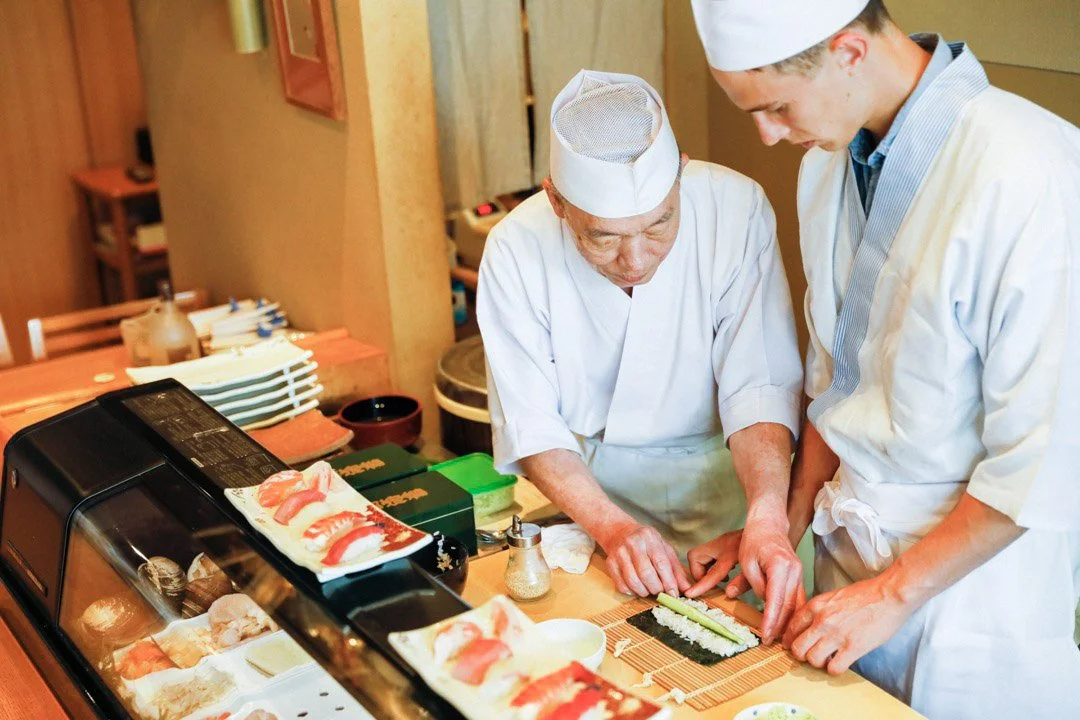
The Legacy of Sushi Mizutani: A Masterclass in Tokyo’s Golden Age of Sushi
For decades, the Ginza district of Tokyo stood as the undisputed capital of the high-end sushi world. Tucked away on the ninth floor of an unassuming building in this bustling neighborhood was Sushi Mizutani. It was a tiny, ten-seat counter that held a massive reputation. Founded by legendary chef Hachiro Mizutani, this restaurant earned three Michelin stars and became a bucket-list destination for food lovers worldwide. Though it permanently closed its doors on October 29, 2016, the story of Sushi Mizutani remains a vital chapter in the history of traditional Japanese culinary arts.
+-----------------------------------------------------------+
| SUSHI MIZUTANI |
| [ 10-Seat Counter ] ---> [ 3 Michelin Stars ] |
| [ Master Mizutani ] ---> [ Trained under Jiro Ono ] |
| [ The Philosophy ] ---> [ Pure Focus / No Photos ] |
+-----------------------------------------------------------+
The Journey of a Master Craftsman
To understand the magic of Sushi Mizutani, one must understand the lifetime of dedication behind the counter. Chef Hachiro Mizutani spent a staggering 54 years perfecting his craft. His journey is deeply tied to another sushi legend: Jiro Ono, the world-famous star of the documentary Jiro Dreams of Sushi.
Chef Mizutani was Jiro’s top apprentice for many years. He helped run Jiro’s famous Yokohama branch before stepping out to carve his own path. When Mizutani finally opened his own shop in Ginza, he brought with him the relentless work ethic of his mentor. However, he also developed a distinct style that set him apart.
The Delicate Art of Shari
While many elements make great sushi, masters agree that the rice, or shari, is the most critical component. This is where Chef Mizutani truly shined. While his mentor Jiro was famous for a heavy, vinegary punch in his rice, Mizutani chose a softer, more balanced approach.
- The Temperature: He served his rice just a fraction warmer than body temperature.
- The Texture: Each grain was distinct, airy, and melted perfectly with the fish.
- The Seasoning: He used a delicate blend of vinegar and salt that enhanced, rather than overpowered, the natural sweetness of the seafood.
Every morning, Mizutani walked the floors of the historic Tsukiji Fish Market. He hand-selected only the finest seasonal catches, from rich fatty tuna (otoro) to sweet sea urchin (uni).
A Temple of Pure Focus
Dining at Sushi Mizutani was not just a meal; it was a deeply respectful ritual. The room was simple, clean, and quiet. There was no background music and no colorful decor. The entire focus of the room was directed at the wooden counter where the master worked.
To protect this sacred atmosphere, Chef Mizutani enforced a strict no-photography policy. He believed that cameras and smartphones distracted guests from the taste, aroma, and immediate texture of the food. Guests were expected to eat each piece of sushi the exact second it was placed on the counter, ensuring it was enjoyed at its absolute peak flavor.
 [ The Ideal Edomae Dining Cycle ]
 Step 1: Master shapes the warm rice.
 │
 ▼
 Step 2: Seafood is placed at peak temperature.
 │
 ▼
 Step 3: Sushi is served to the guest.
 │
 ▼
 Step 4: Guest eats immediately (Within 3 seconds!).
The End of an Era
In late 2016, Chef Mizutani announced his retirement. At over 70 years old, the physical toll of standing for long hours and the intense daily sushioishii.com grind had caught up to him. His retirement also lined up with the original planned relocation of the Tsukiji Fish Market, marking a natural ending point for his historic run.
Though the legendary Ginza counter is gone, the standard of excellence set by Sushi Mizutani lives on. It serves as a beautiful reminder of the Edomae sushi tradition, where a lifetime of discipline creates a few perfect bites of food.
Share this content: